SETTLED
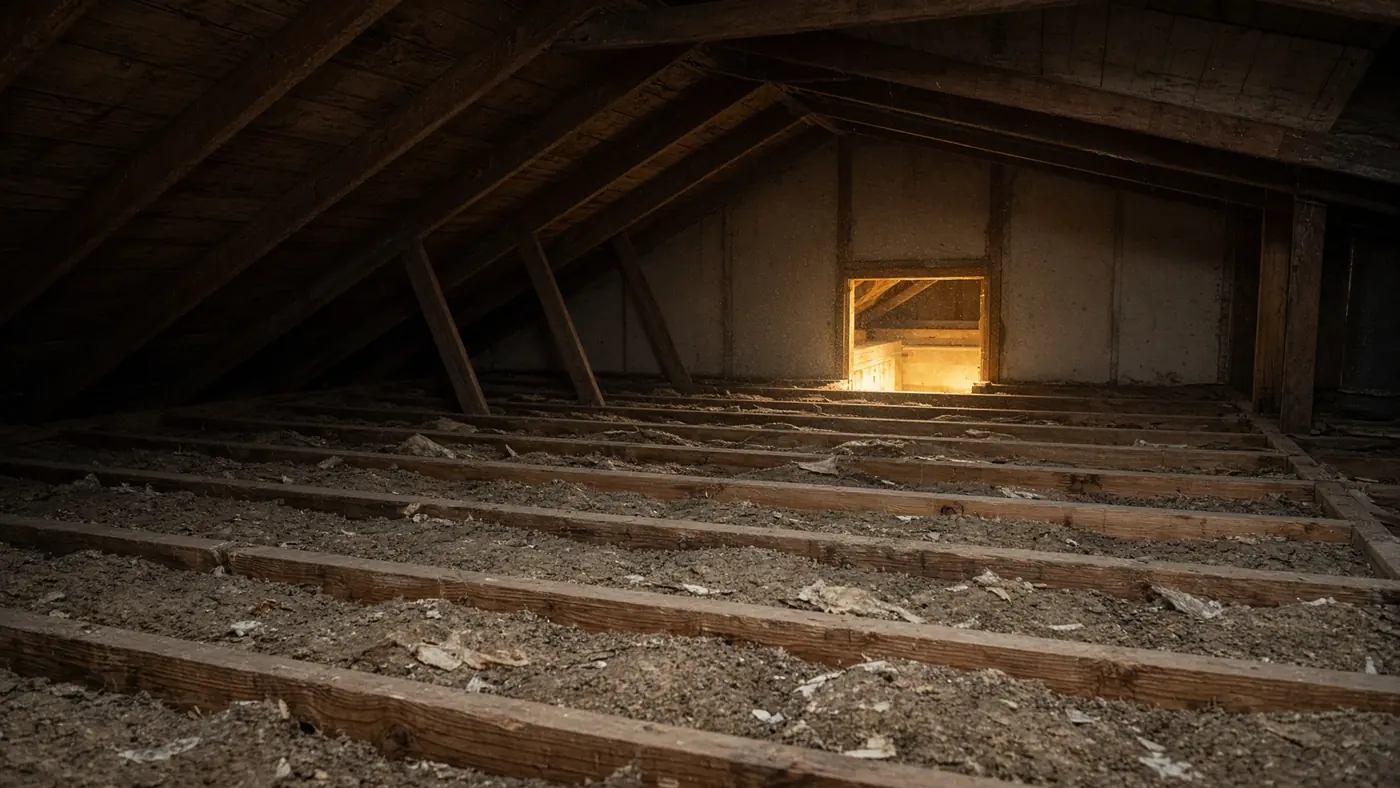
- 2–4 inches, dirty, uneven, joists showing.
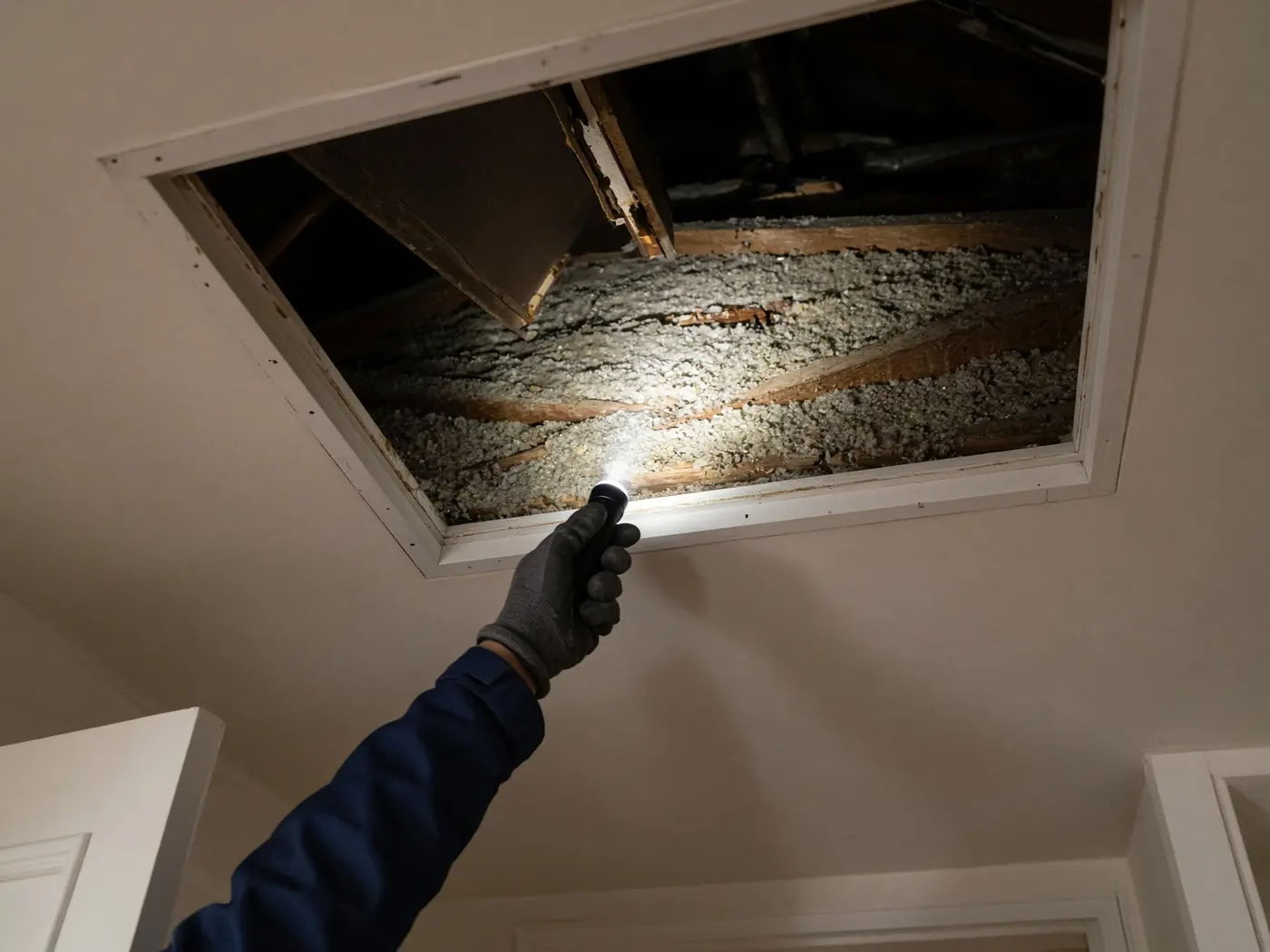
- A film under a roof that hits well past 140° in July.
- You are heating the sky and cooling the attic.


Front Range insulation · Since 2011
The most common energy problem in a Colorado house is not the furnace. It’s the attic. Insulation packs down until almost nothing is left — and that nothing is the only barrier between you and the weather. It is also the upgrade that pays you back the fastest. Walls, floors, crawls, and rims are a different product — see the full list. The recommendation comes with a thermal report.
Or pop your head through the hatch and send two photos for a rough quote.
WHY THE ATTIC
Blown cellulose and fiberglass lose loft. Decades of roof heat, foot traffic, and gravity pack them down. We pop hatches and find two inches where a foot used to be. Sometimes we find the ceiling.
Walls have siding, sheathing, and drywall. A vented attic does not. The fill on your ceiling is the thermal boundary — the only thing between your rooms and a roof deck that cooks in July and leaks heat all winter.
Heating and cooling is about half to 70% of the energy bill. Windows and a new furnace are real projects. Topping a dead attic is not a remodel. When the loft is gone, this is the cheapest large cut in the house.
THE ONLY BARRIER
In summer the deck above a Colorado attic gets brutally hot, and that heat radiates down through whatever fluff is left. In winter the warm air you paid to heat rises and leaves. There is no siding up there. No second layer. If the insulation settled, you are living under the sky.
Walls are expensive to open. The attic is a hatch and a hose. That is why it wins on cost before it wins on comfort — rooms stop swinging, the system stops screaming, and the bill follows.
WATCH IT DISAPPEAR
Drag the years. A new blow on this slider is R-60. Loose-fill is supposed to stay thick enough to hold that R-value after it settles. Most Front Range attics were never topped up — and the roof cooked what was left. This is the pattern we photograph. Not a reading of your house.
6 IN
loft left in the bay
R-21
This is what “insulated” looks like in most attics we open. Almost nothing between you and the roof.
The fresh blanket on this slider is R-60. After it settles, a lot of “insulated” attics we open are living under R-15.
See what’s left in mineTHE BLEND
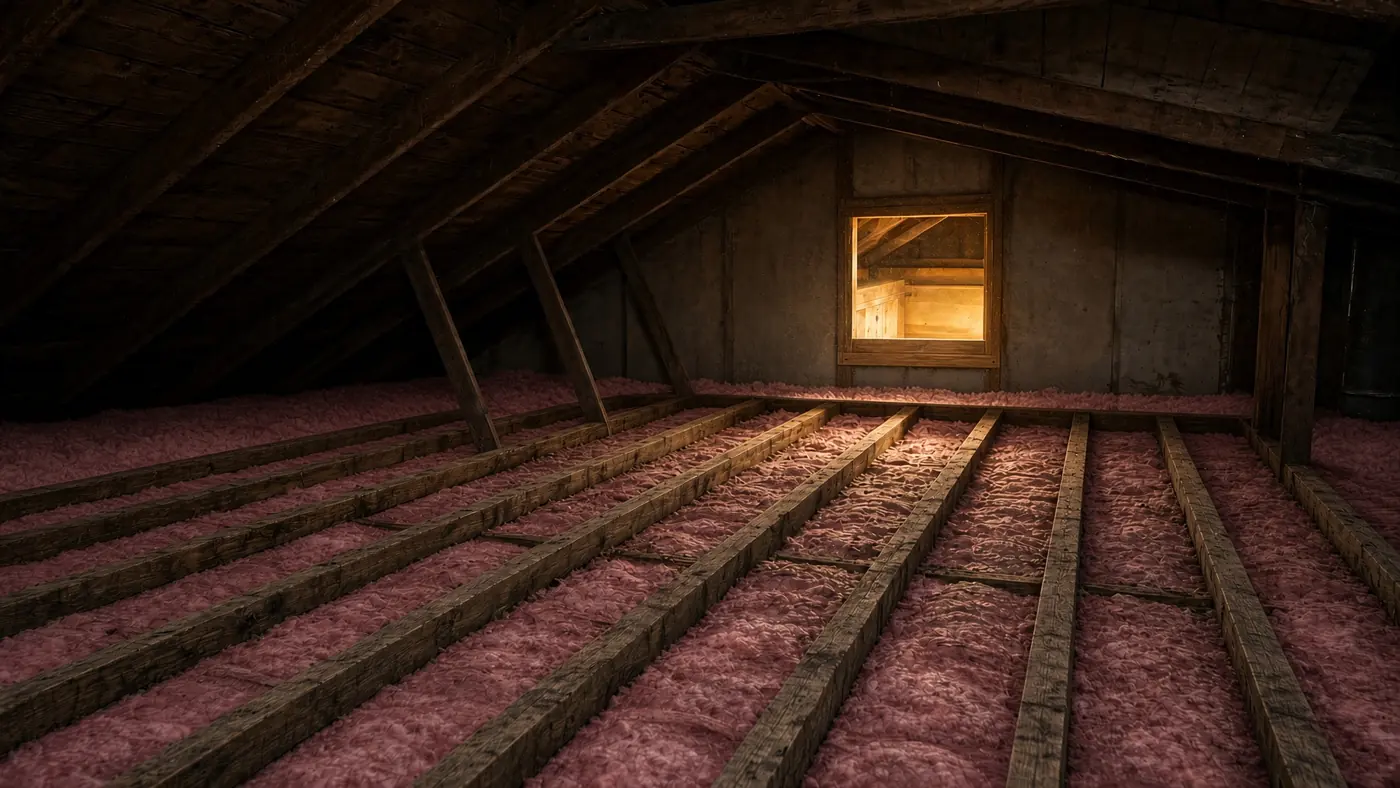
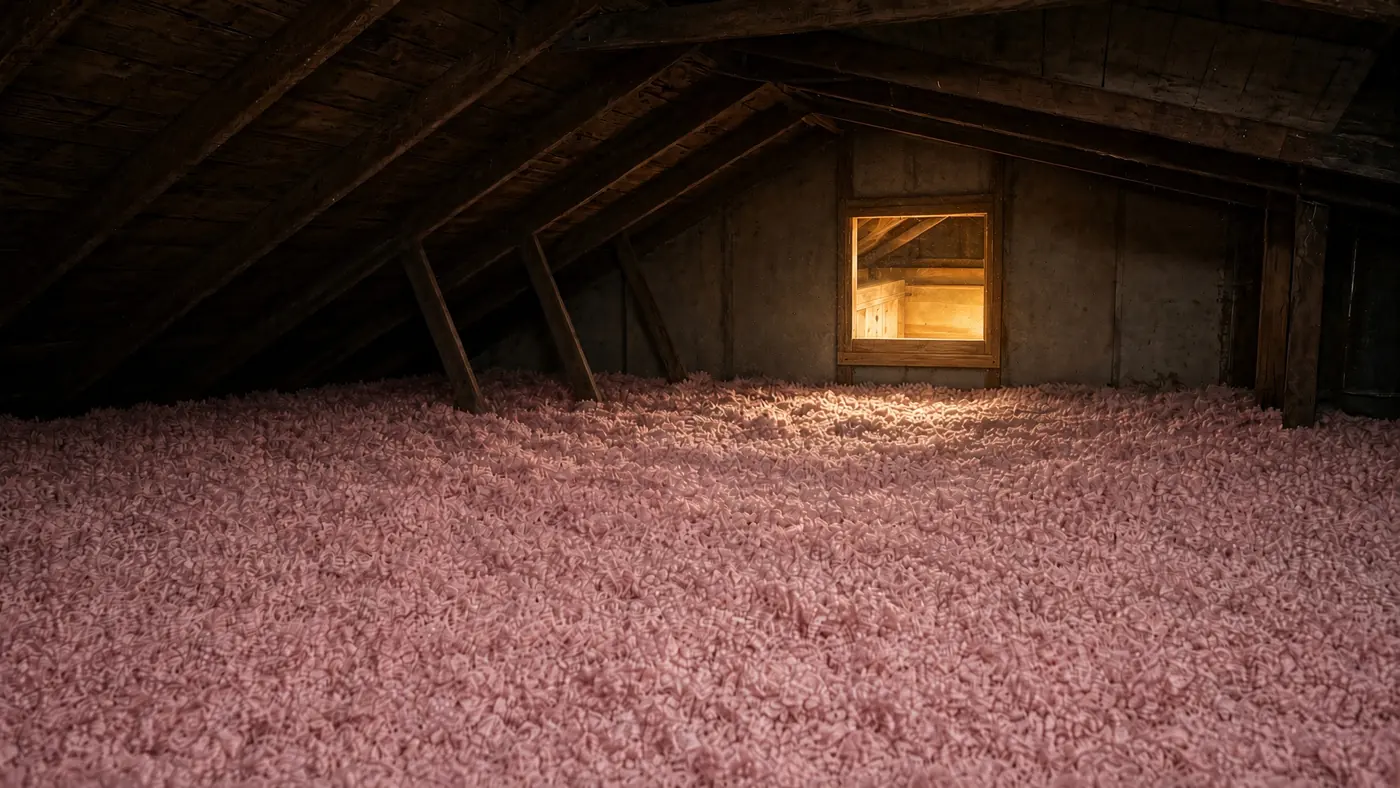
The pink in the attic is our blend. Not a retail bag blown until the joists peek through. A custom, builder-grade fiberglass mix, dense enough to hold an R-60 blanket after a Front Range roof has cooked it for years.
YOUR NUMBER
Drag your bill and what’s left in the attic. Heating and cooling is counted as 60% of the bill, and 70% of that loss through the attic. A thicker blanket only stops the share that still gets through. Not a quote.
Estimated savings
$1,111
a year, after the blow to R-60.
R-11 is under what it should be. Instant rebates are available — confirmed on the inspection, not before.
Book the inspectionTHE MONEY
Heat you paid for rises and leaves. Heat you didn’t ask for comes down off the roof. The attic is both doors.
Free inspection, attic or otherwise. We’ll text you today with a time. If it doesn’t need insulation, we’ll say so and leave.
7200 E Dry Creek RdNot to a scientifically empty zero. Practically, yes. After 15–25 years the loft is often a third of what was installed, dirty and uneven. In plenty of attics the joists are fully exposed and you can see drywall between them. That is a memory of insulation.
A skim coat over a settled, leaky attic is how people waste the project. We air-seal the big holes first, then blow to a depth you can see — joists buried, near R-49 to R-60 on the Front Range. Depth you can photograph is depth that works.
In a typical vented attic, yes. The roof deck is open to outside air. Under it, the insulation on the ceiling plane is the thermal boundary. There is no second wall. Wind-washing and roof heat act directly on that one layer.
Heating and cooling run about half to 70% of a home’s energy, and heat leaves through the top. An attic recharge doesn’t open walls. On houses where the attic was the main leak, we’ve seen energy costs drop by as much as half, with the work paying for itself in about three years on average. Not every house. The inspection says which one yours is.
No. Attics are the most common find because the fill settles. We also install batts, rolls, spray foam, foam board, and radiant barriers, and we air-seal walls, rims, and crawls. The full menu is under Services.