
Insights · August 18, 2026
Choosing the right insulation
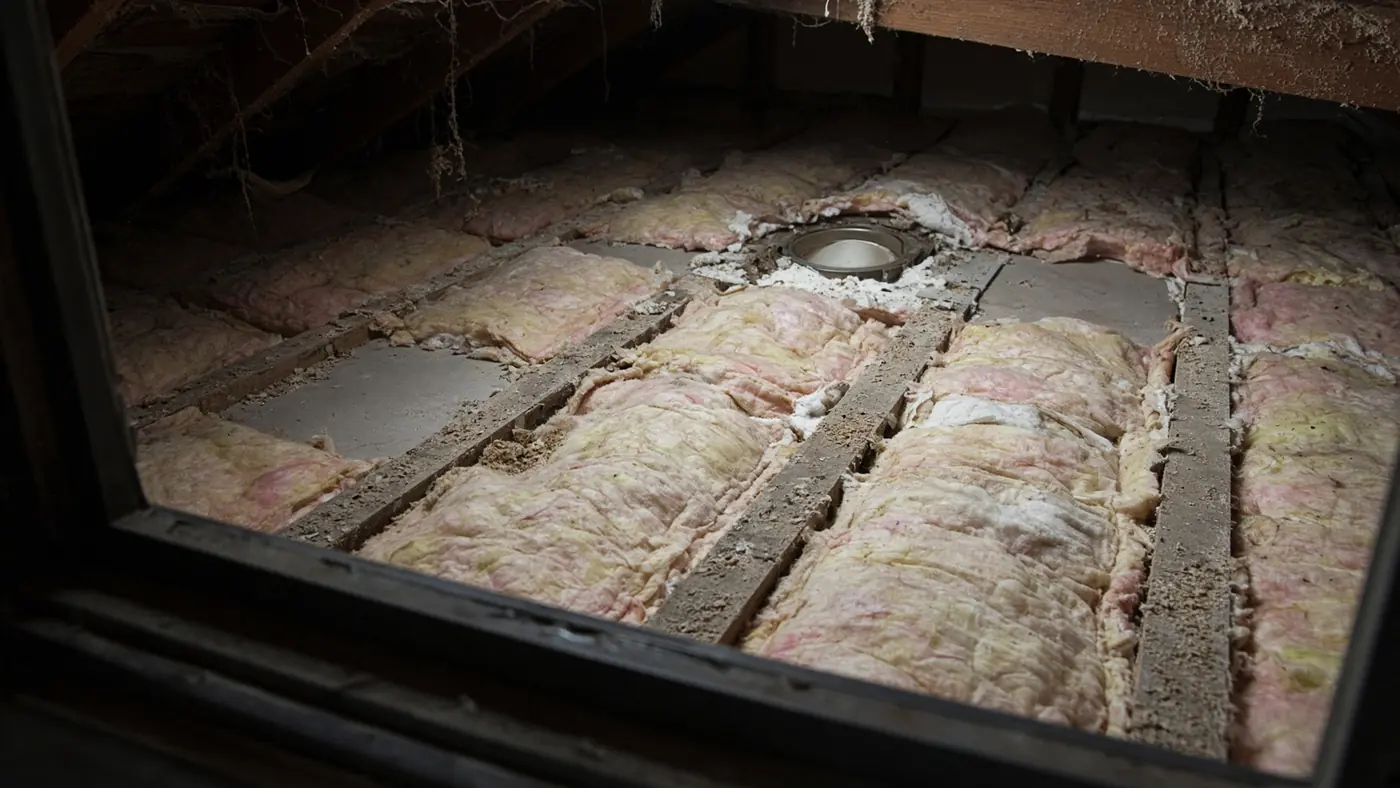
Fiberglass, cellulose, spray foam, foam board, radiant barrier. The product follows the hole. The attic is still the first place to look.
Insulation is a barrier to heat loss and heat gain — roofs, walls, floors. The menu is not that long. Picking wrong is. A vented attic does not want the same product as a rim joist or a basement wall.
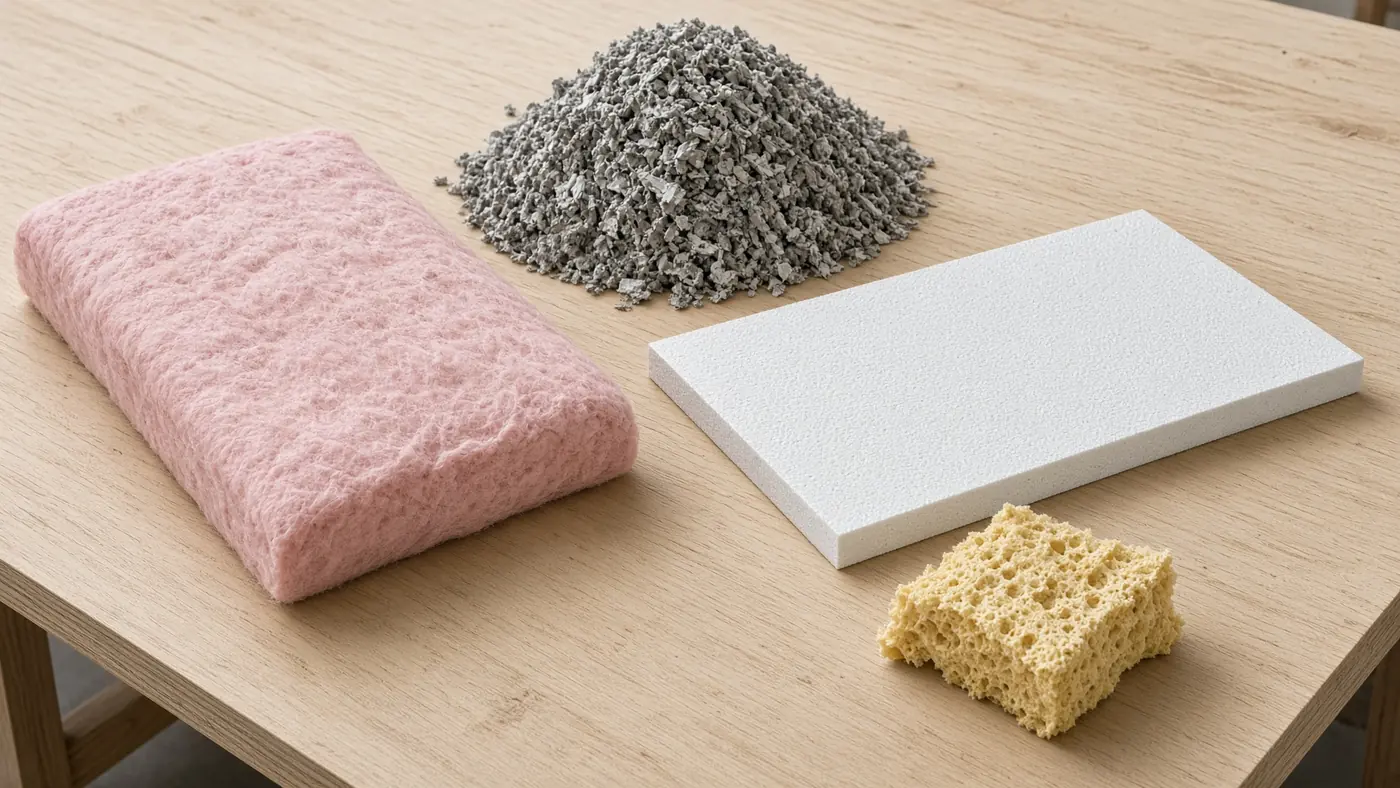
The materials
Know what each one is actually for before you buy a pile of it.
- Fiberglass. Batts, rolls, or blown. The common Front Range attic fill. Cost-effective, and only as good as the depth and the fit. Handle it so it stays out of your lungs.
- Cellulose. Recycled paper, treated so it doesn’t burn easy. Blown into attics and closed walls. Useful in a retrofit when you are not opening drywall.
- Spray foam. Goes in wet, expands, and air-seals while it insulates. Open-cell or closed-cell. Closed-cell is the one that also resists moisture. Right for rims, crawls, and roofs with no attic.
- Foam board. Rigid sheets from the roof deck down to a foundation wall. Stops heat moving through studs and concrete better than a soft fill in the same inch.
- Radiant barrier. A reflective layer, usually at the roof, that knocks summer heat back. It helps a hot climate. It does not replace the blanket on the ceiling.
What actually decides it
Climate first. The Front Range is a big swing — cold nights, a roof deck that cooks in July. Attics here want a high R-value, in the R-49 to R-60 range, not a skim coat.
Then the assembly. A tight cavity wants more R per inch: foam or board. An open attic wants a blow, after the big holes are sealed. A floor over a garage wants a continuous roll, not a stack of cut batts.
Budget is real. Spray foam costs more up front and earns it where nothing else fits. Blown fiberglass or cellulose is the cost-effective move when the attic is the leak. Cellulose is the recycled option when that matters to you.
Get eyes on the house
An audit tells you where the energy is actually leaving. Guessing from the hallway does not. We measure what’s left, say if the attic is the job, and name the product for the other holes if it isn’t.
The right insulation is the one that belongs in that assembly, installed to a depth you can see. Everything else is a bag in the garage.