
Insights · August 18, 2026
How insulation saves money
R-value is resistance to heat flow. A dead attic makes the furnace and the air conditioner do the same job twice. That is the bill.

What the blanket is doing
Insulation slows heat. In winter it keeps the heat you paid for inside. In summer it keeps roof heat from radiating down onto the ceiling. R-value is the measure. Higher R, more resistance.
When the indoor temperature holds, the equipment runs less. That is the entire trick. Not a gadget. A boundary that works.
Which product saves what
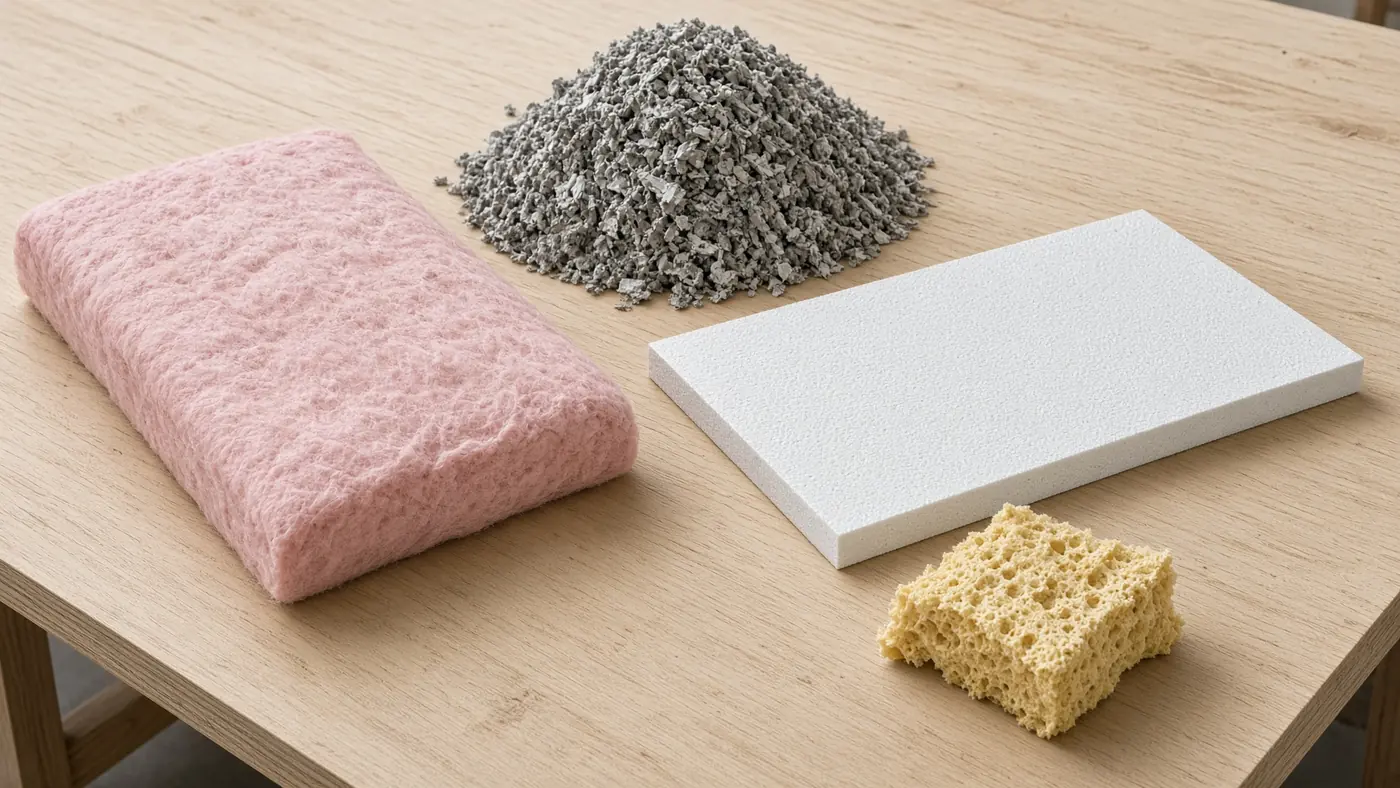
They do not save money the same way.
- Spray foam air-seals as it insulates. Gaps and cracks stop being a draft path, so the system is not reheating outdoor air.
- Fiberglass batts fill open bays in walls and floors. Moderate R-value, low cost, useless if they are compressed or missing the edges.
- Foam board carries more R per inch and covers the framing that batts skip — studs, steel, concrete.
- A radiant barrier in the attic reflects summer heat. It is a hot-climate tool, used with insulation, not instead of it.
Where the dollars show up
Less heat transfer means less runtime. On houses where the insulation was the main leak, bills have dropped anywhere from about 10% to half, depending on how bad the start was. Not every house. The bad ones move the most.
Equipment lasts longer when it is not sprinting. Fewer repairs, a later replacement. And a house that can prove a lower bill is easier to sell. Buyers understand comfort and a utility history.
A plain example
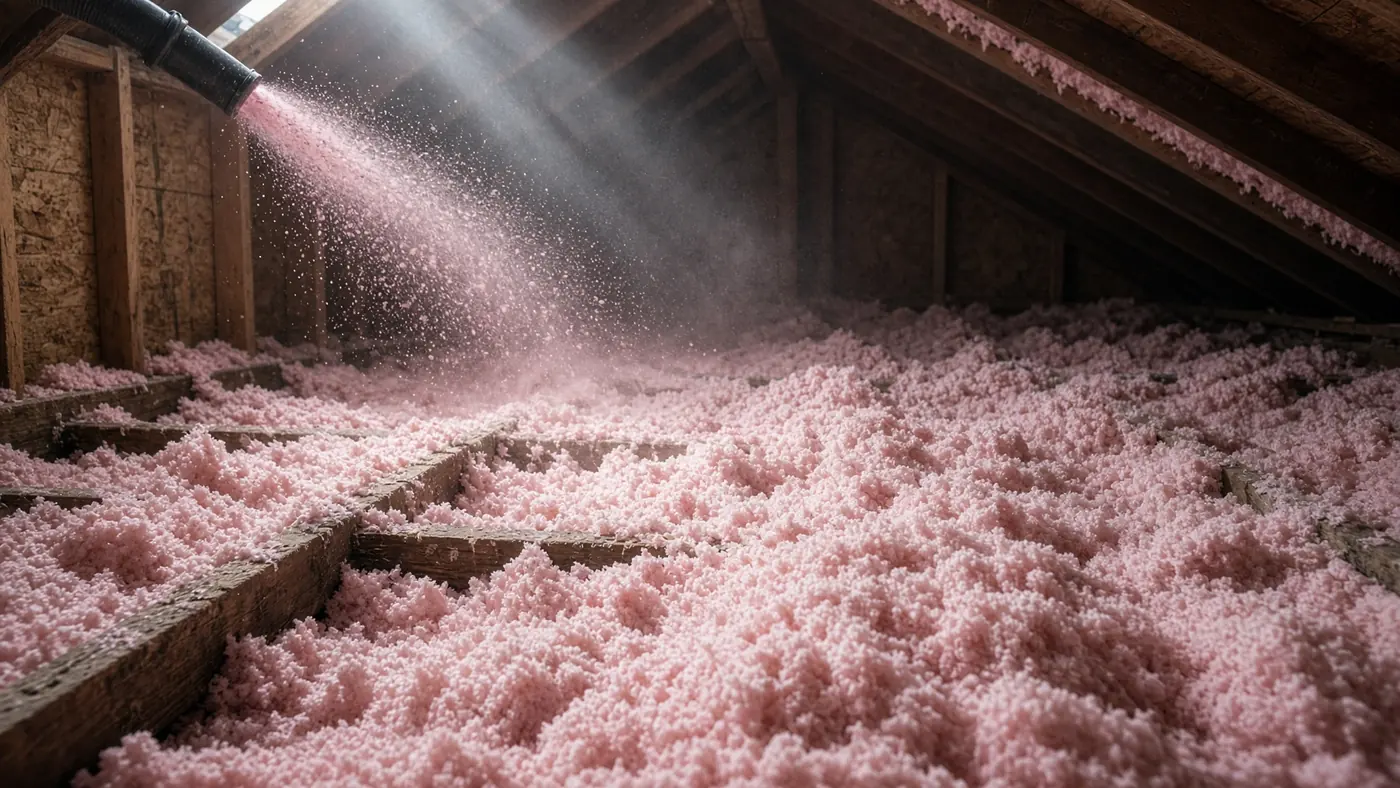
Heating and cooling are often about half the energy use. Take a $200 monthly bill. If an attic goes from a tired R-11 to something like R-38, a 20% cut in that heating and cooling share is about $20 a month on the whole bill — roughly $240 a year from that one change, before you count a full recharge toward R-49 or R-60.
The site calculator is the same idea with your bill and your inches. The original article’s second example was a house that swapped thin batts for spray foam and saw about a 30% drop in the peak months. Peak months are where a bad envelope shows.
Start at the hatch
Audit first. Find the actual leak. Then pick the R-value and the product for that assembly — attic, wall, rim, crawl. They are not the same job.
Have it installed so the depth is real. The savings show up on the bill. The inspection tells you whether your house is one of the ones that moves.